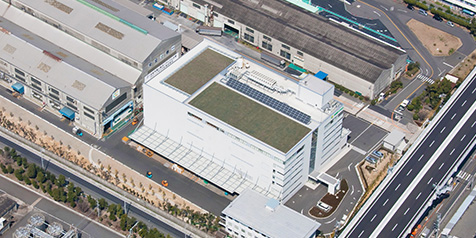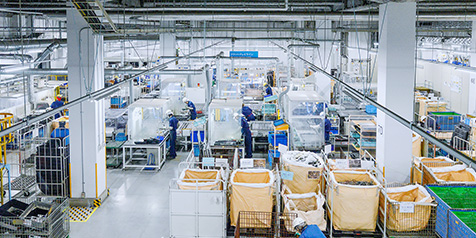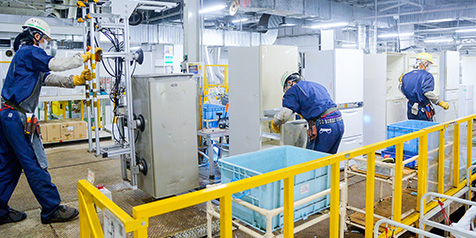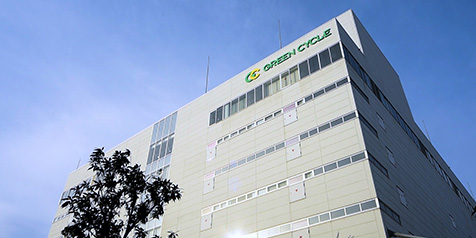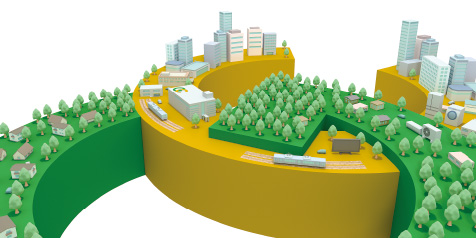


Recycling of Green Cycle consists of two processes, disassembling by hand and crushing/sorting with large machines.
Through highly precise disassembling work performed by human hands and various sorting devices tailored to the characteristics of each material, we achieve safe and efficient recycling and effective resource utilization.
Disassembling process
Televison Line
CRT televisions (older models) and flat-screen televisions have significantly different structures, so they are disassembled separately.
Flat-screen televisions Line (LCD-TV, PDP-TV)
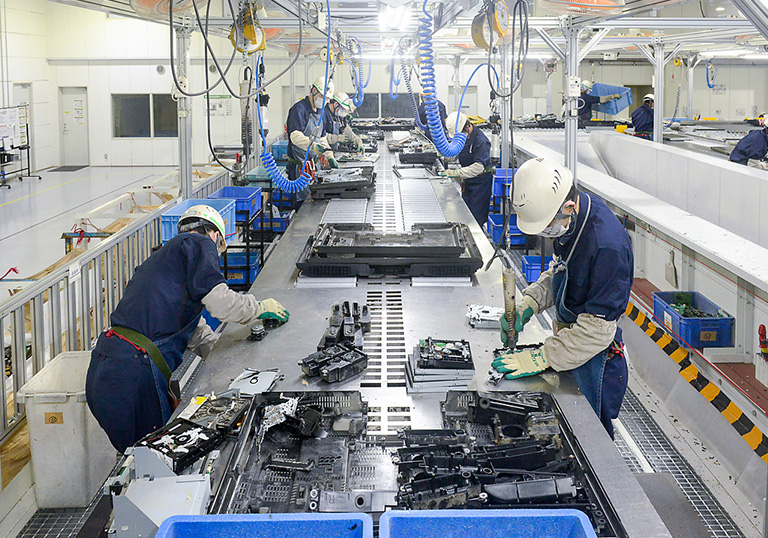
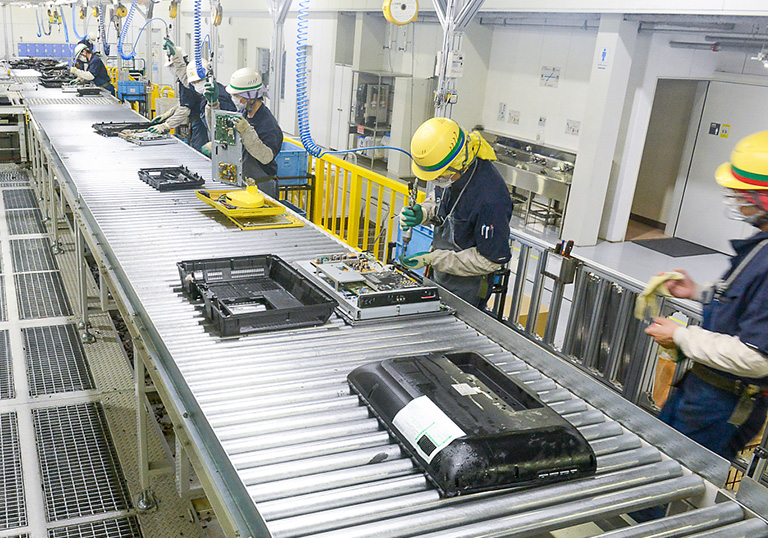
FTV Disassembling work
- Key Points for Recycling
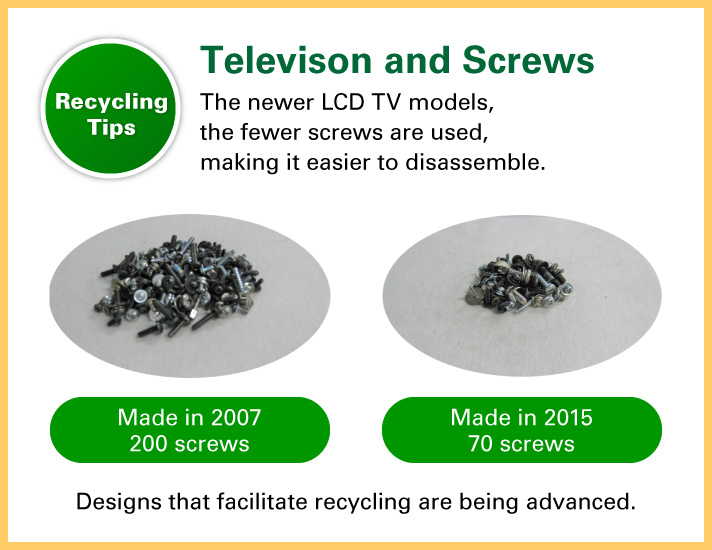
- Due to the large number of screws and the complex structure, it takes time to learn the disassembly procedure.
- Newer models are easier to disassemble.
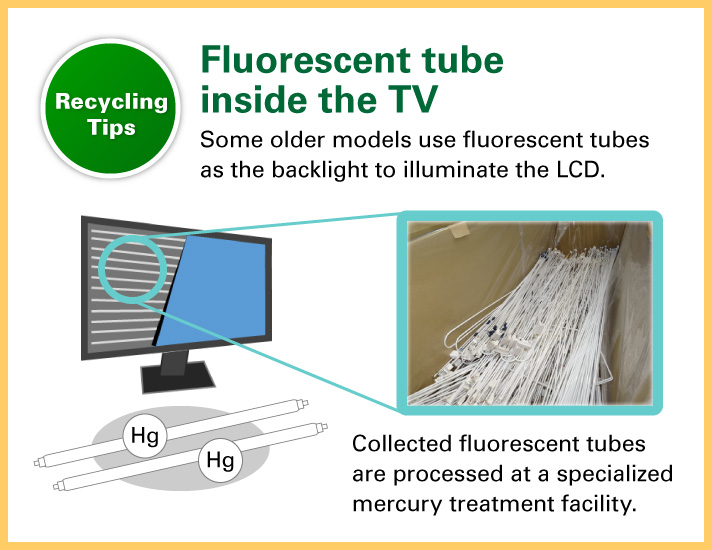
- Reliable recovery of the mercury used in LCD televisions.
- Collected items
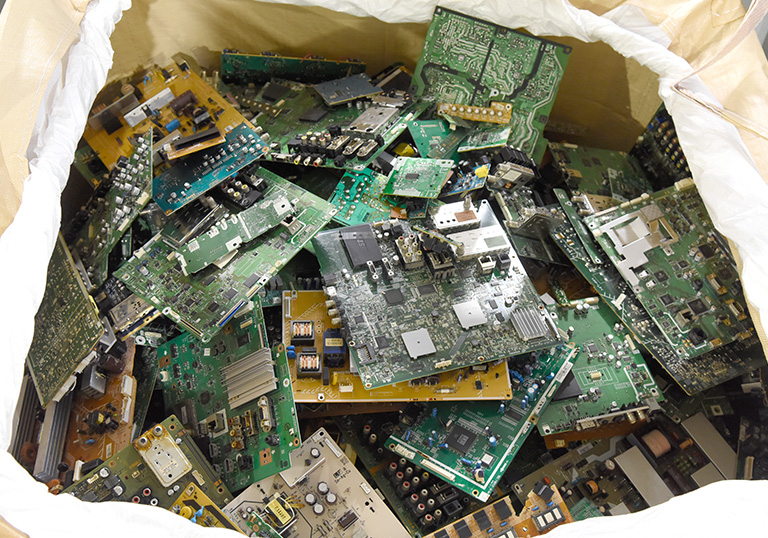
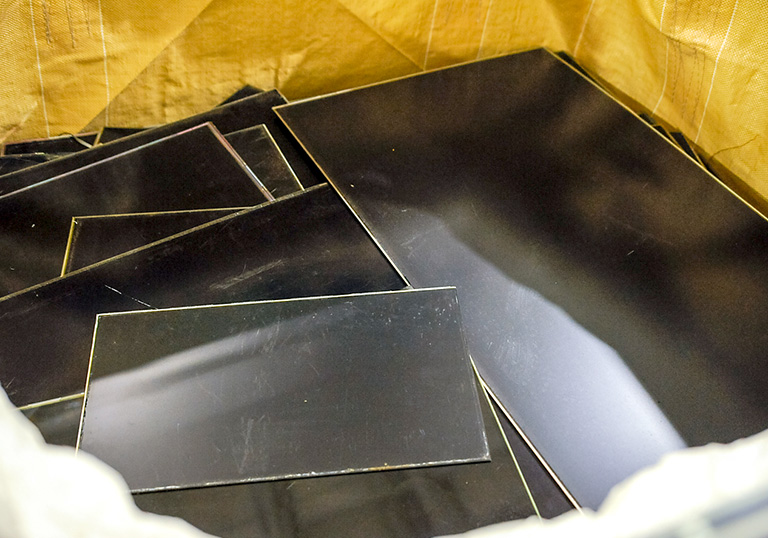
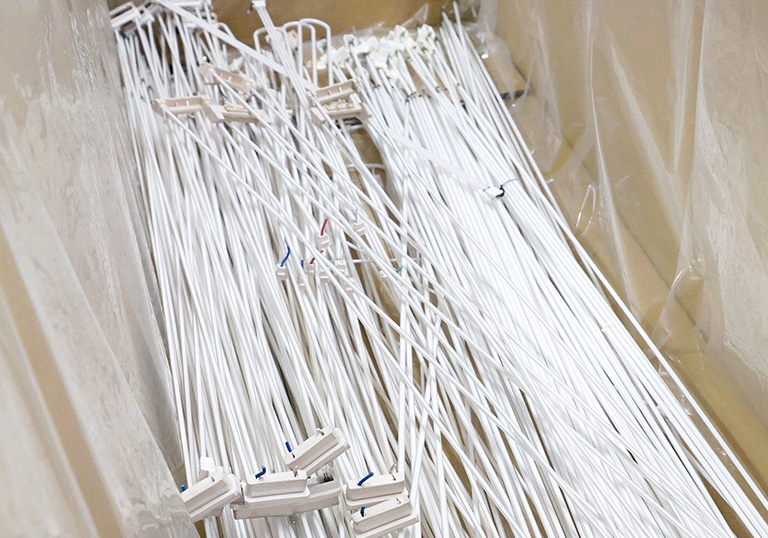
- Control board, power supply board, LCD panel, backlight (fluorescent tube), etc.
CRT televisions Line
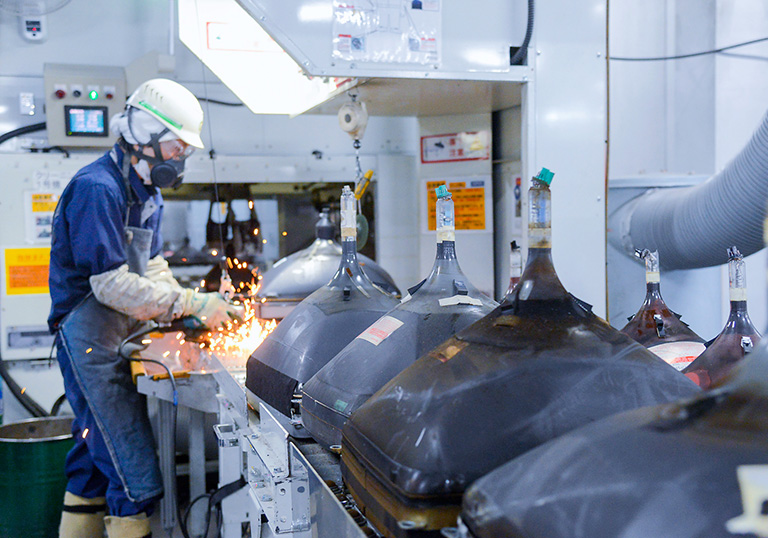
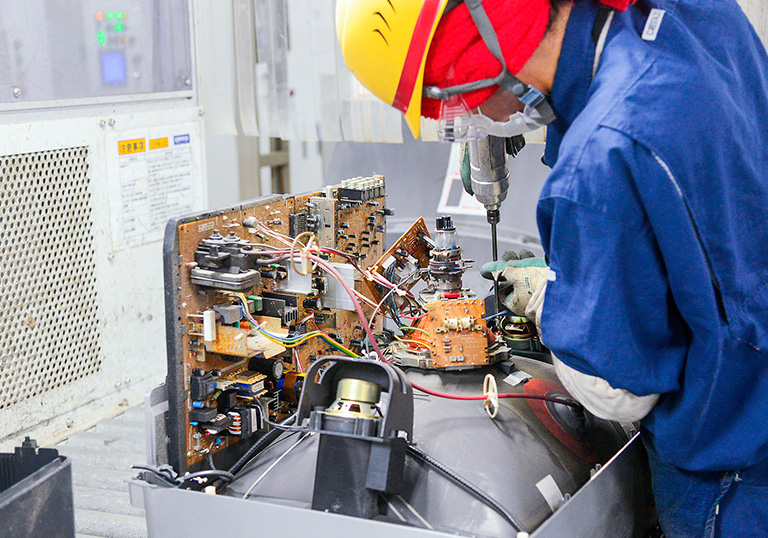
CRT-TV Disassembling work
- Key Points for Recycling
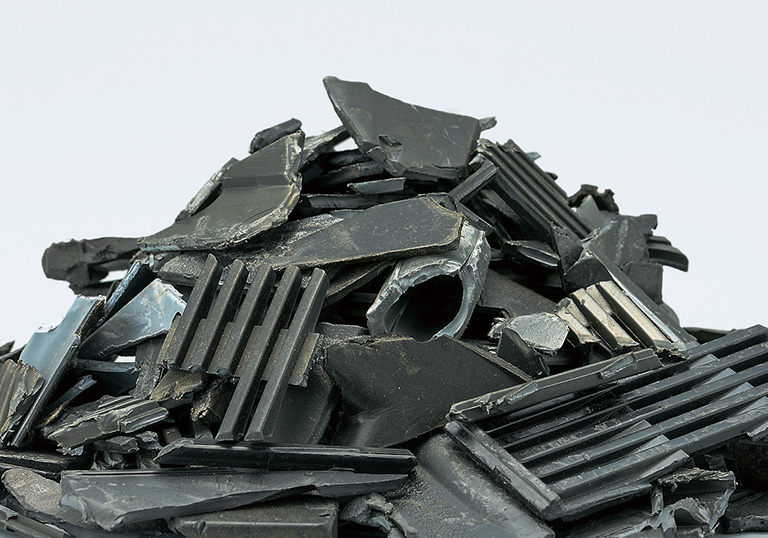
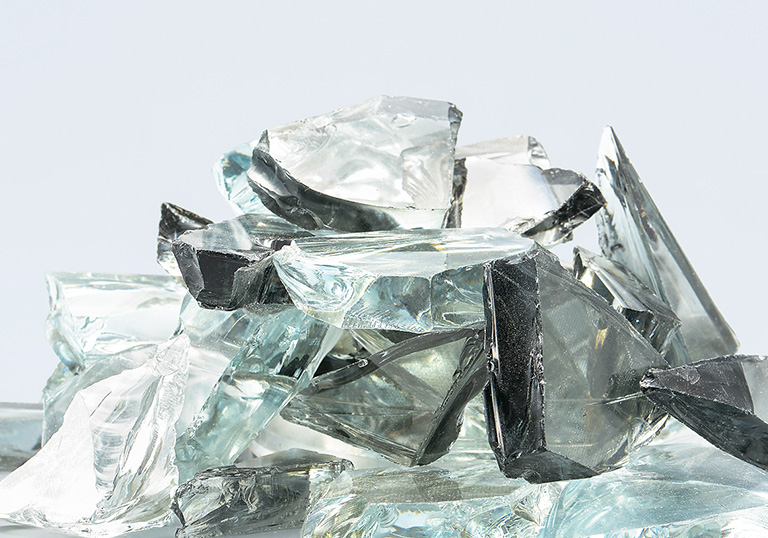
- The cathode-ray tube (CRT) is also dismantled, and the glass is separated by material type.
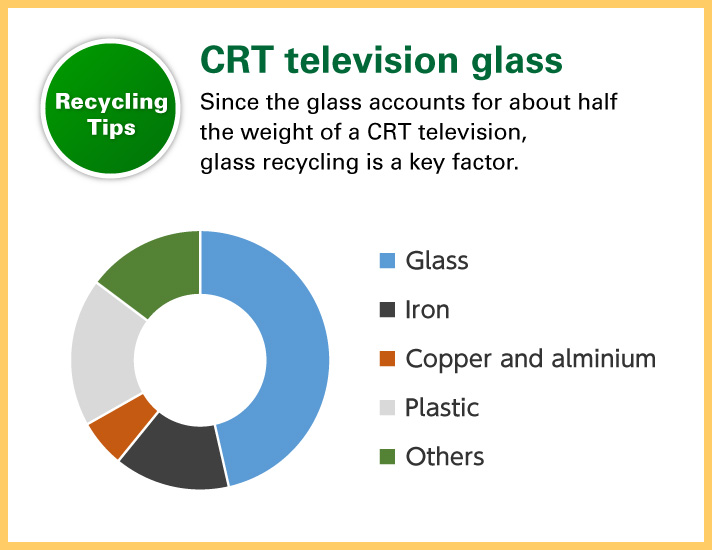
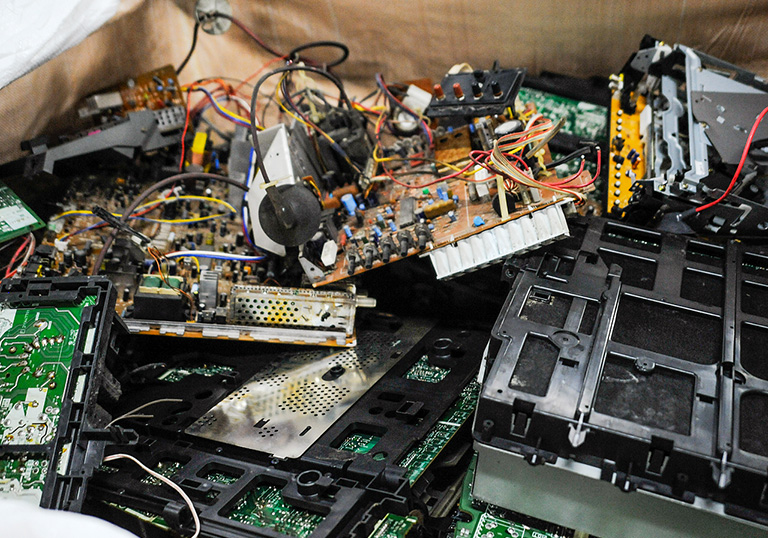
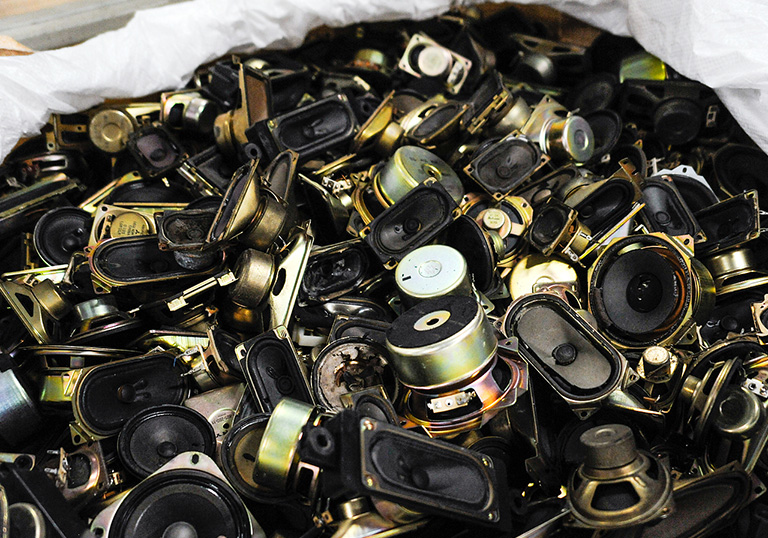
- Collected items
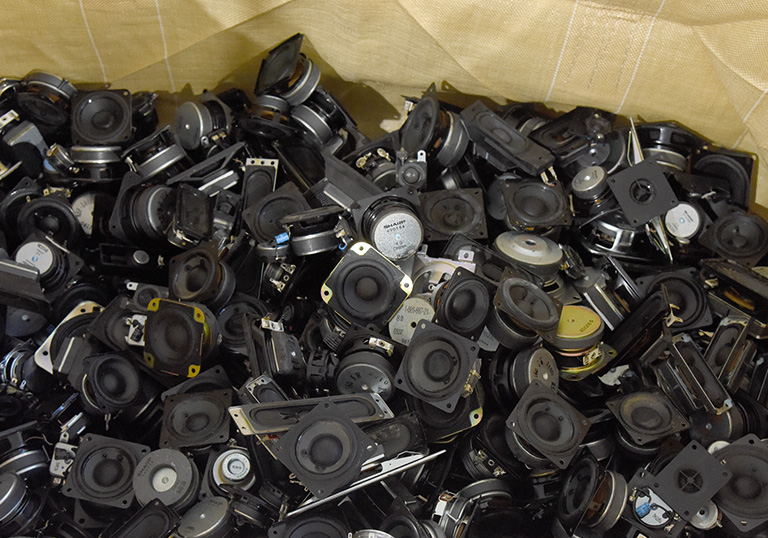
- Power supply board, speaker, deflection yoke, glass, leaded glass, etc.
Air Conditioner Line
The indoor and outdoor units come as a set, and each is disassembled on a separate line.
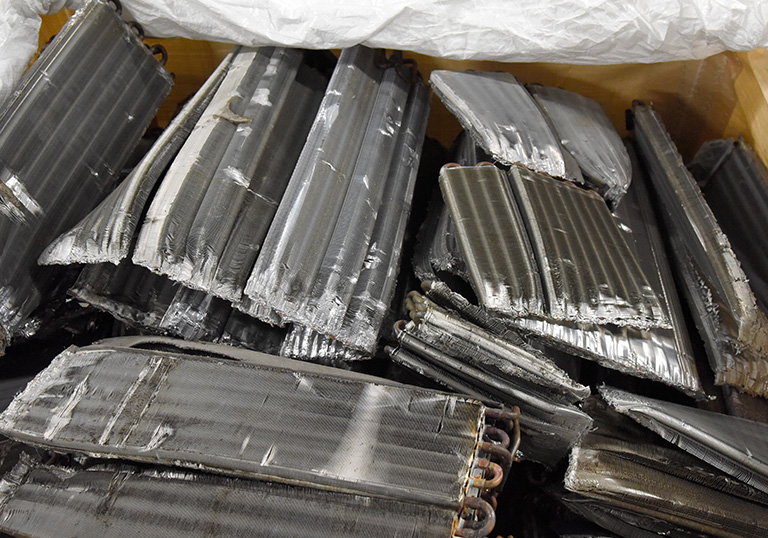
Air conditioners use many valuable metals such as copper and aluminum, so we collect them separately to prevent mixing.
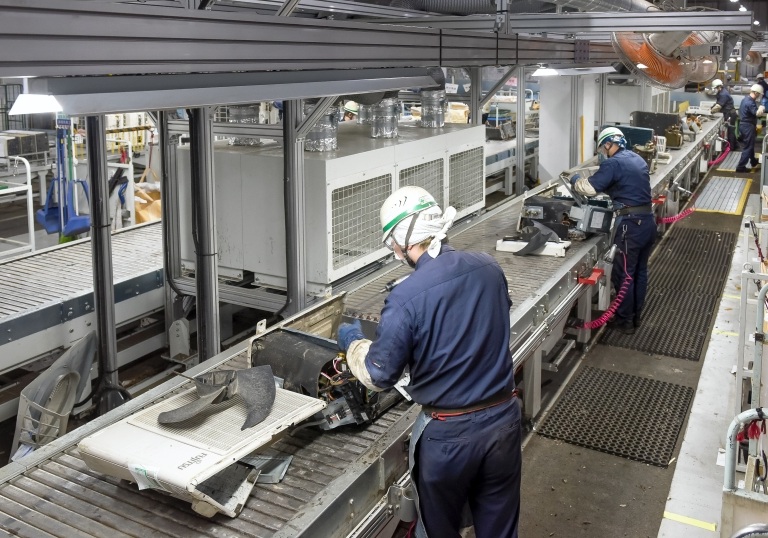
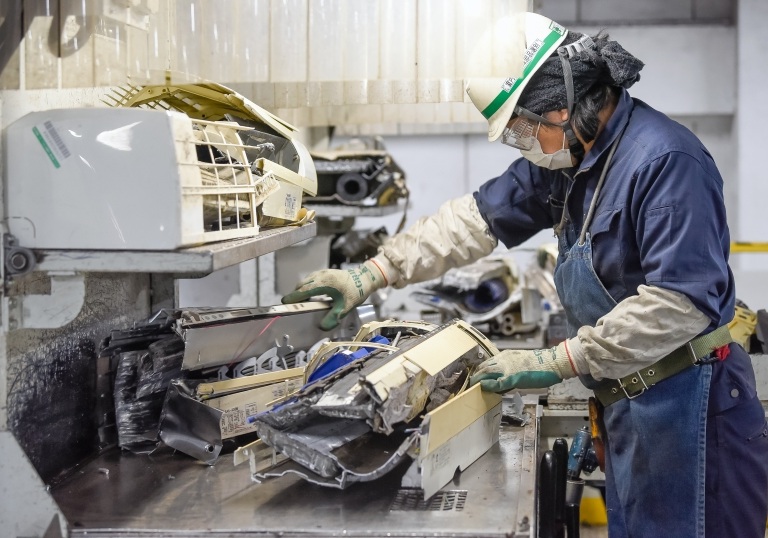
Air Conditioner Disassembling work
- Key Points for Recycling
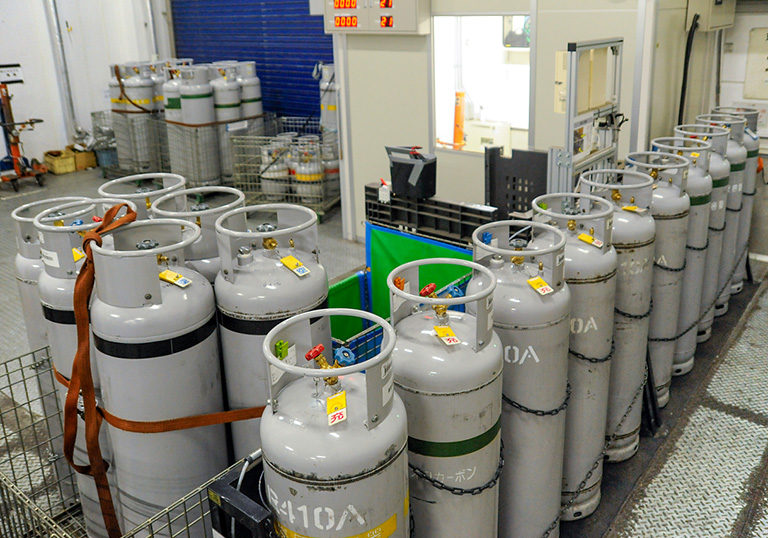
- Reliable recovery of fluorocarbons.
- Disassembling while removing dust and sands.
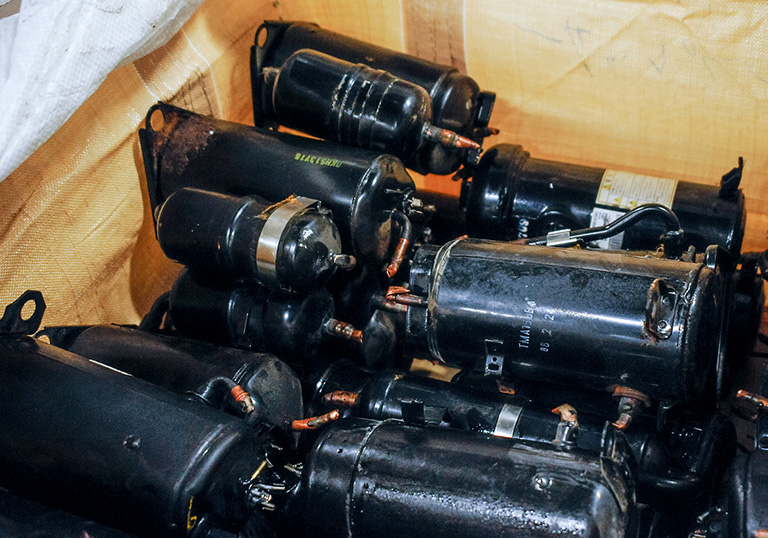
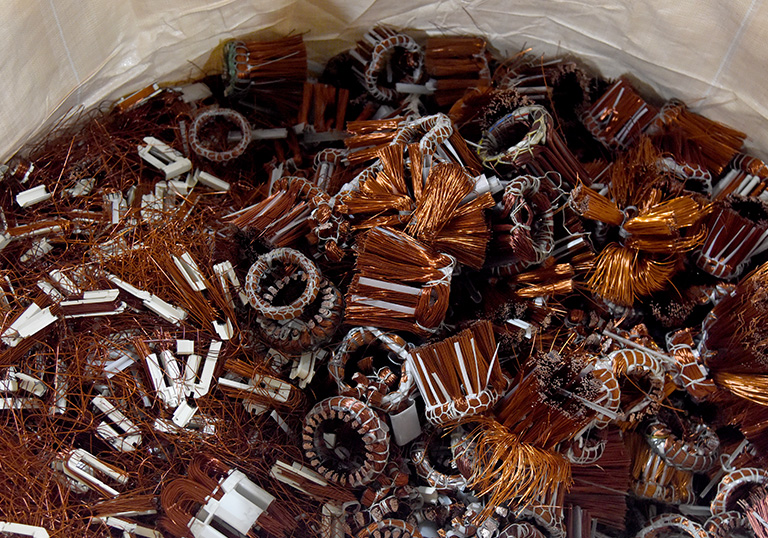
- Extract high-purity resources by further dismantling the components.
-
Fluorocarbon recovery work
-
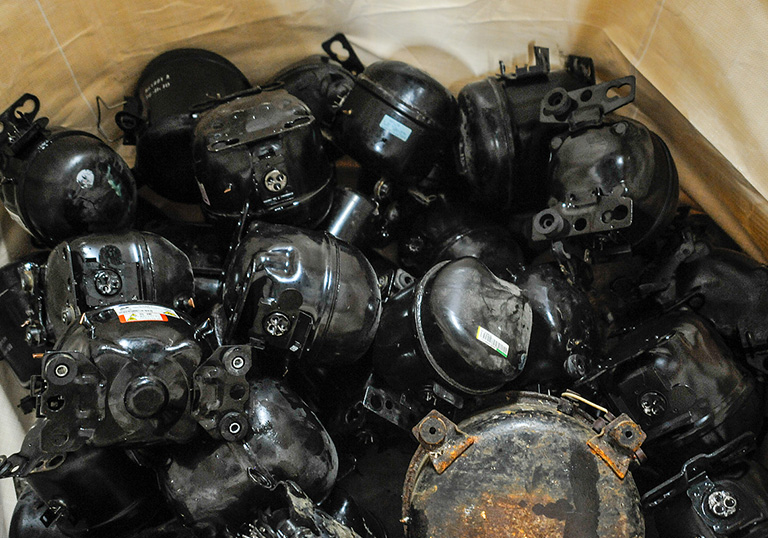
Compressor dismantling work
- Collected items
- Fluorocarbons, compressors, heat exchangers, motors, transformers, etc.
Refrigerator Line
Disassembling refrigerators while standing upright on a conveyor that moves at regular intervals.
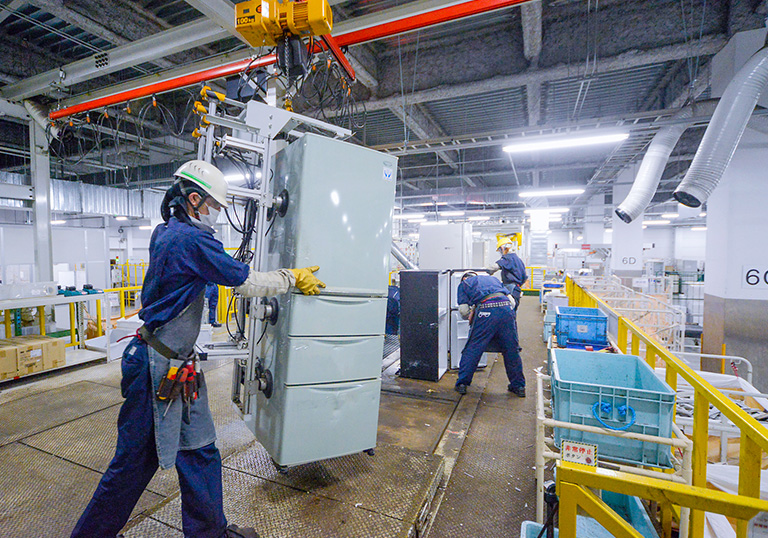
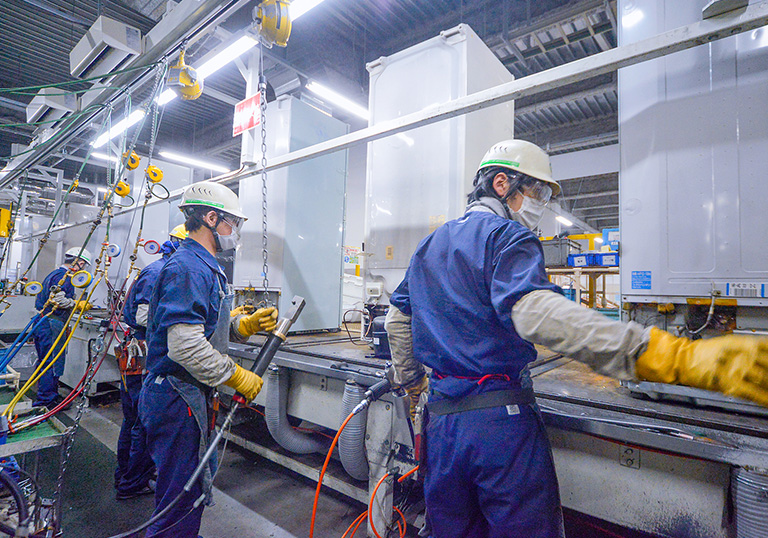
Refrigerator Disassembling work
- Key Points for Recycling
- Since old refrigerators contain CFCs in their insulation, recovering properly.
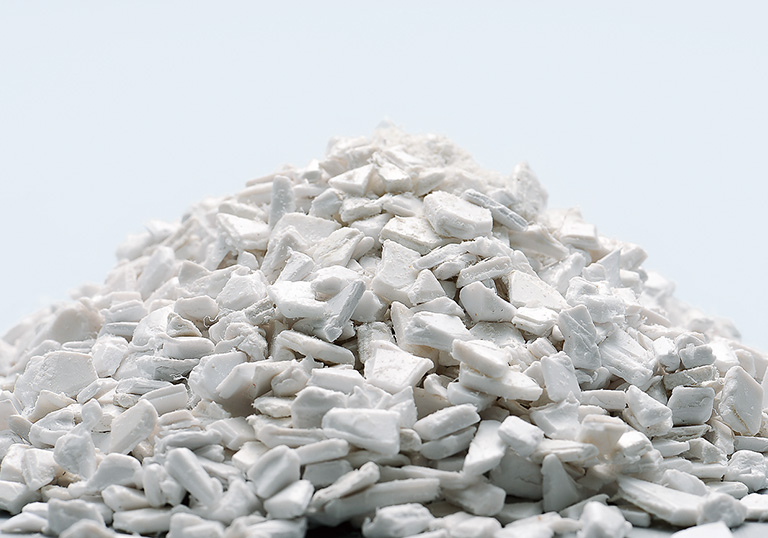
- Plastic parts made of a single type of plastic, such as vegetable cases, are collected by material type.
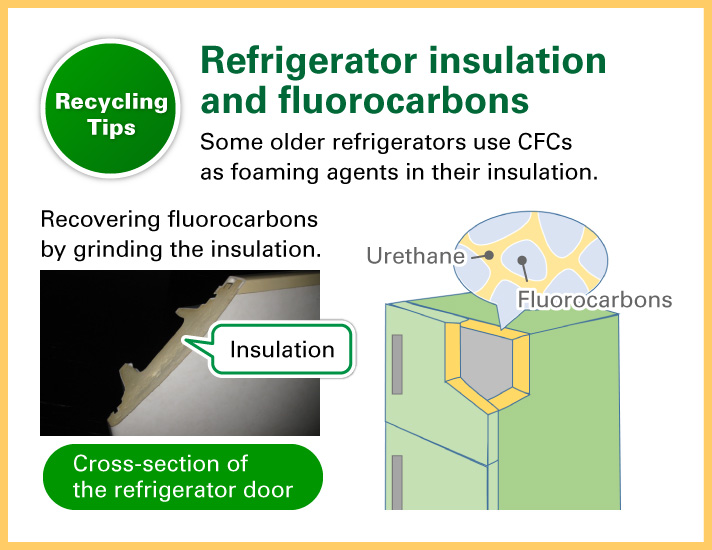
-
Collection of single-material plastics
- Collected items
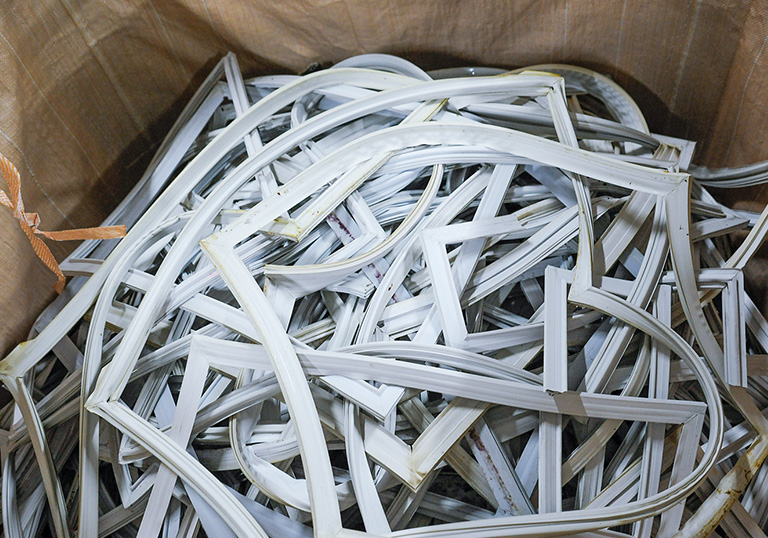
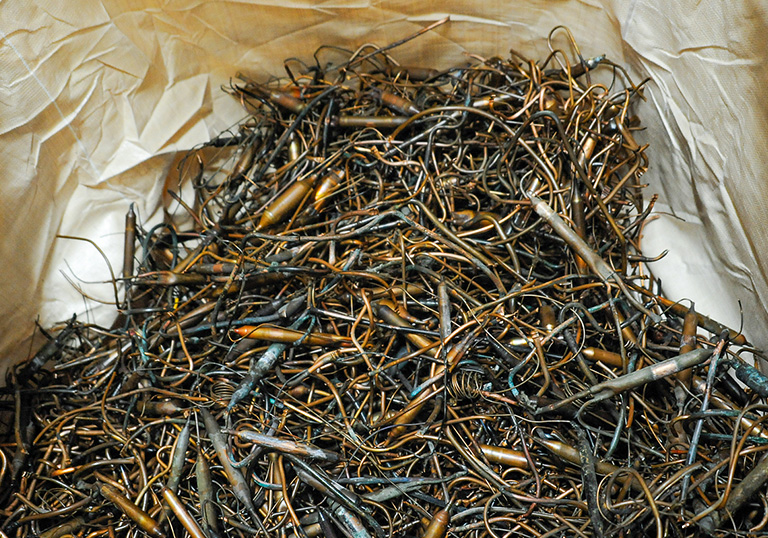
- CFCs, gaskets, copper pipes, single material plastics (PP, PS)
Washing machine Line
While many have simple structures, some are extremely difficult to disassemble.
Front-loading washing machines, in particular, are complex and time-consuming to disassemble.
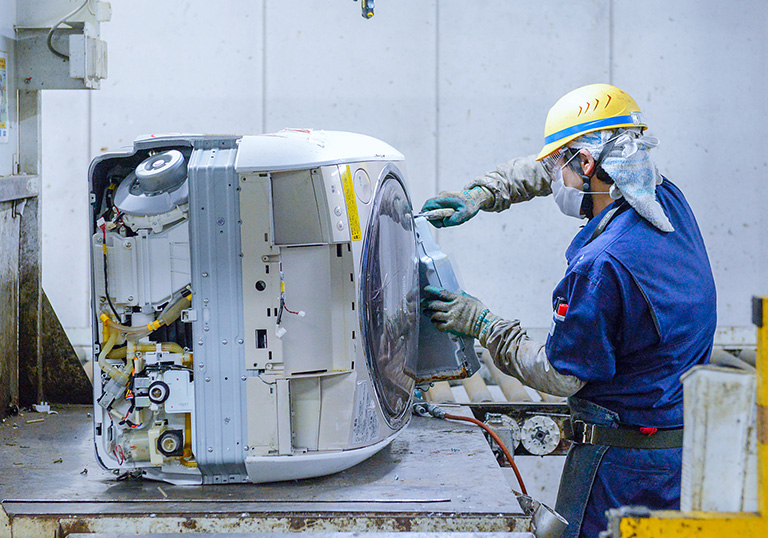
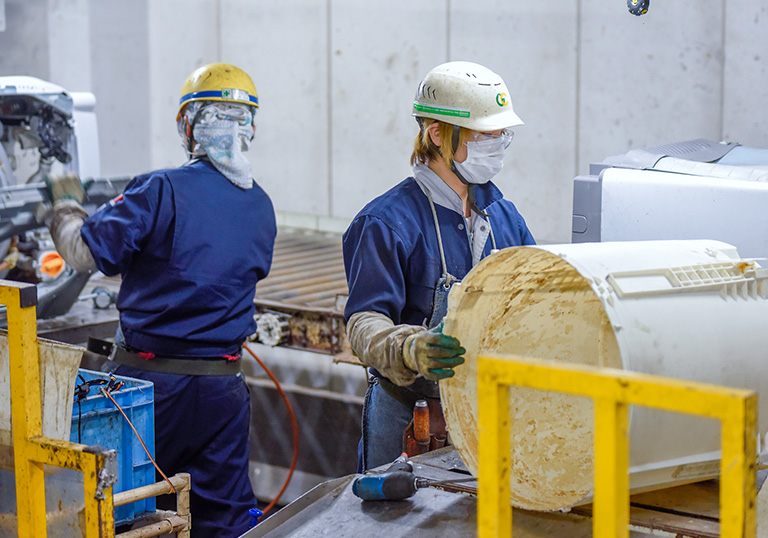
Washing machine Disassembling work
- Key Points for Recycling
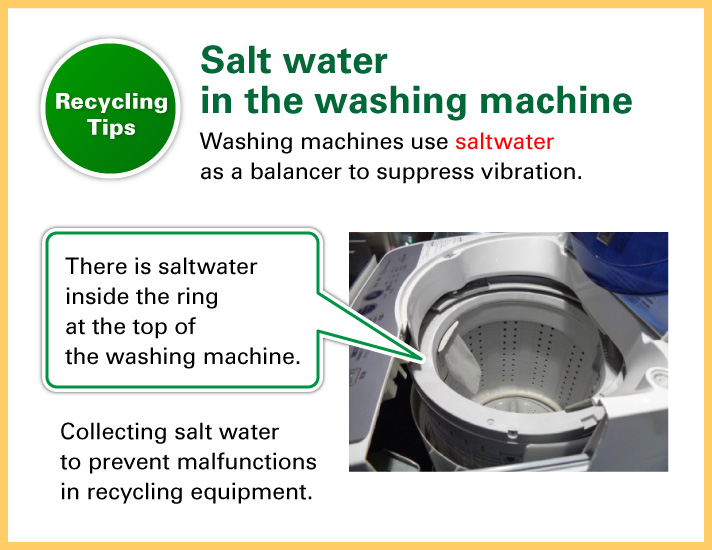
- Collecting “salt water” to prevent the equipment from rusting.
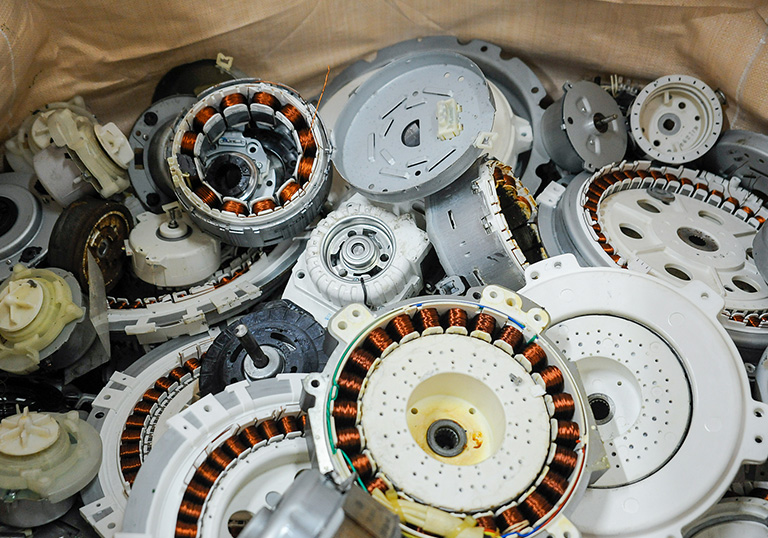
- Increasing value by further dismantling motors.
- Collected items
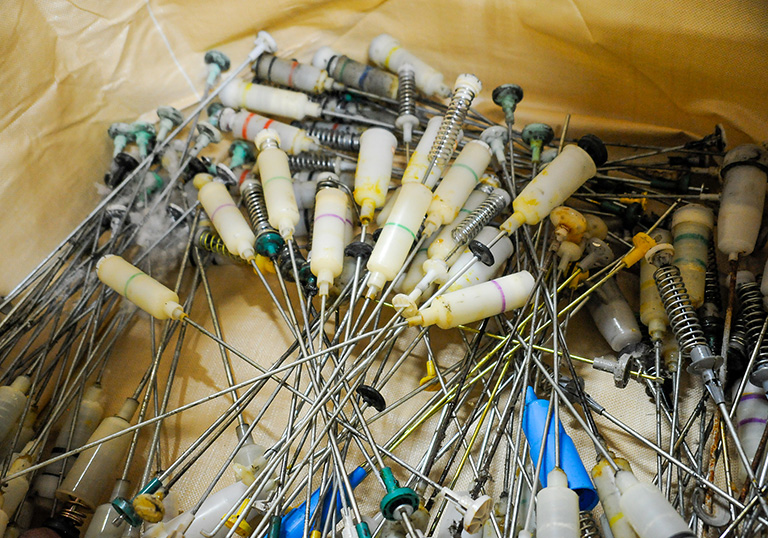
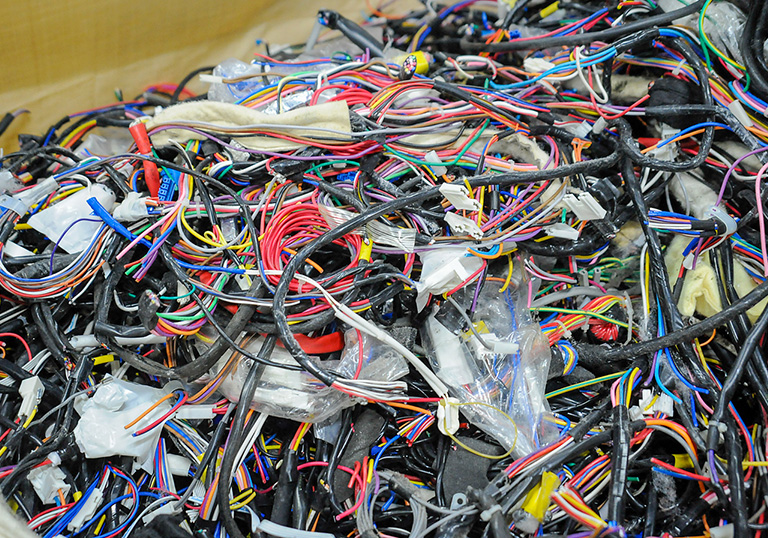
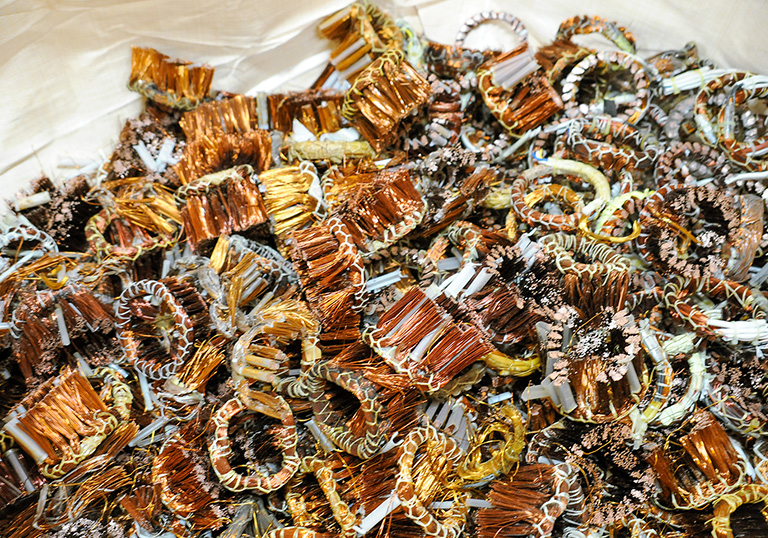
- Motor, power cord, suspension rod, circuit board, salt water
Crushing process
After taking out parts by manual, remained casings are crushed into small pieces by large machines that look like giant food cutter. By crushing them smaller, they are separated according to material, and can be easily sorted by the next process.
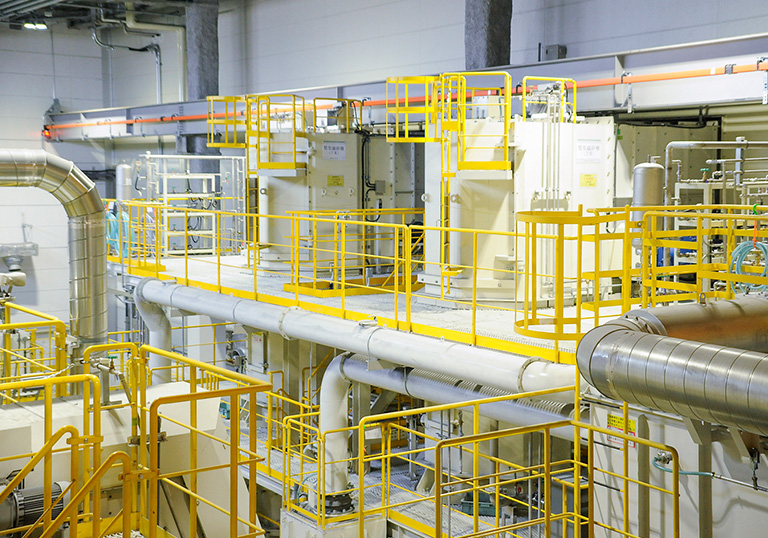
Refrigerators with their whole shapes are put into crusher, and crushed into pieces.
Crusher
It is large enough to accommodate a refrigerator. Hammers inside rotate at high speed, breaking the material into small pieces by striking and tearing it apart.
-
Site of crushing
Sorting process
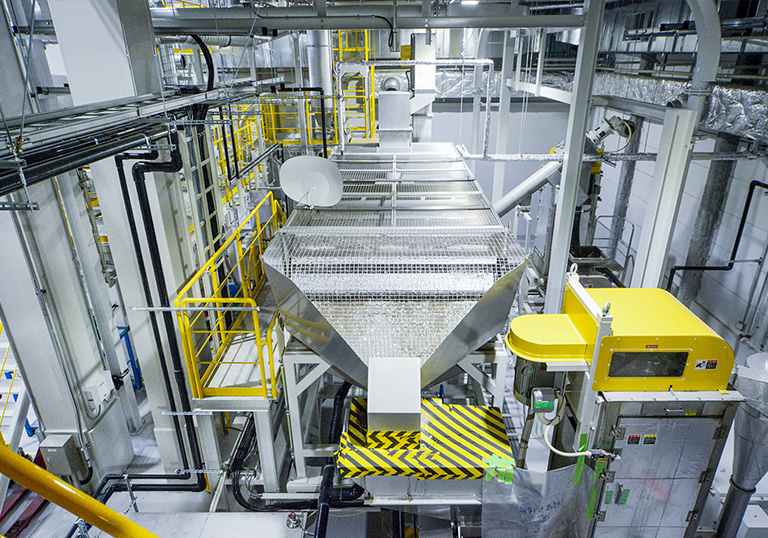
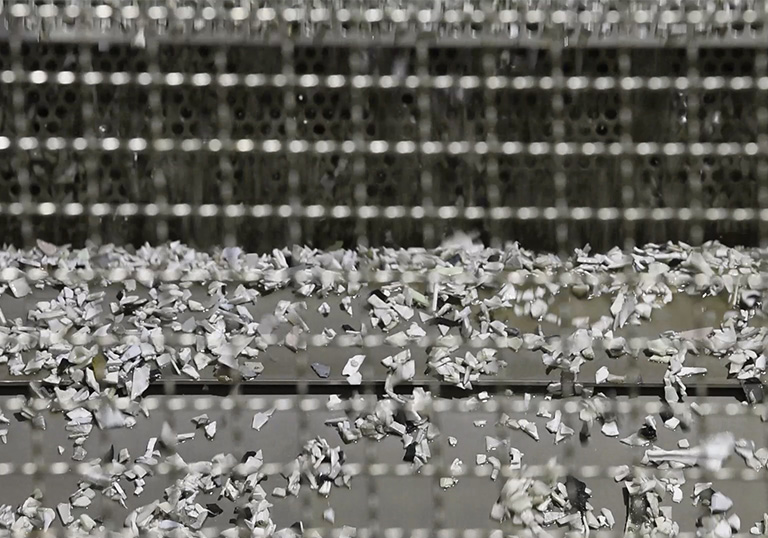
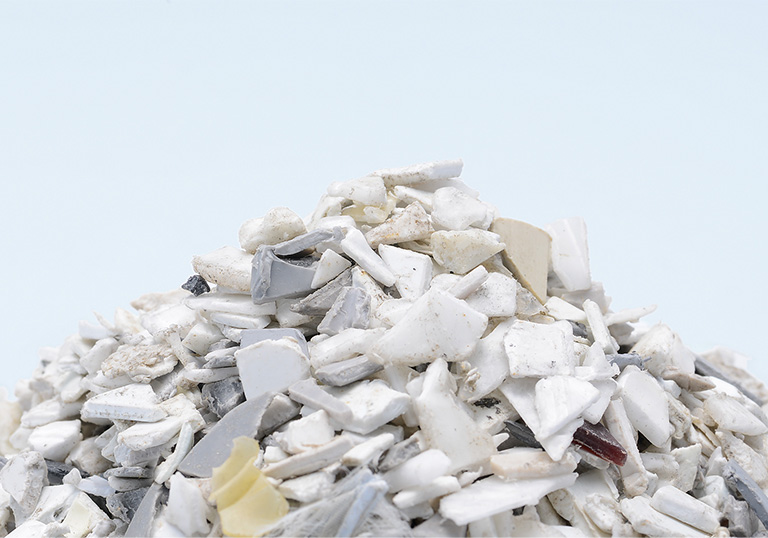
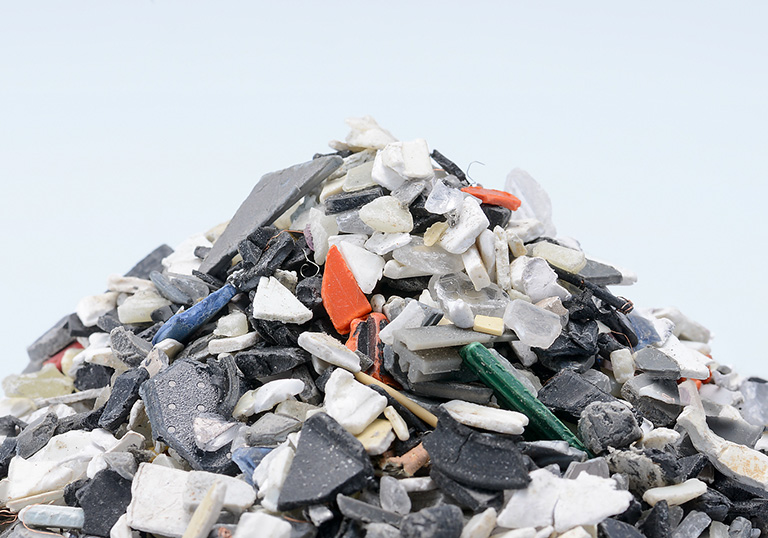
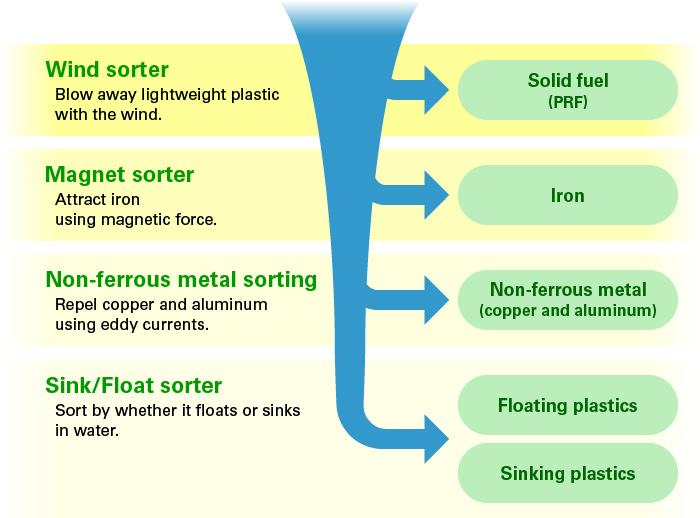
After crushed, various materials are intermixed, rendering them valueless as resources in their raw state. By using sorting machines according to characteristics of each material to separate and recover ferrous metals, non-ferrous metals (such as copper and aluminum), and various plastics, we can create high value for these resources.
Sorting process is starting with the most numerous.
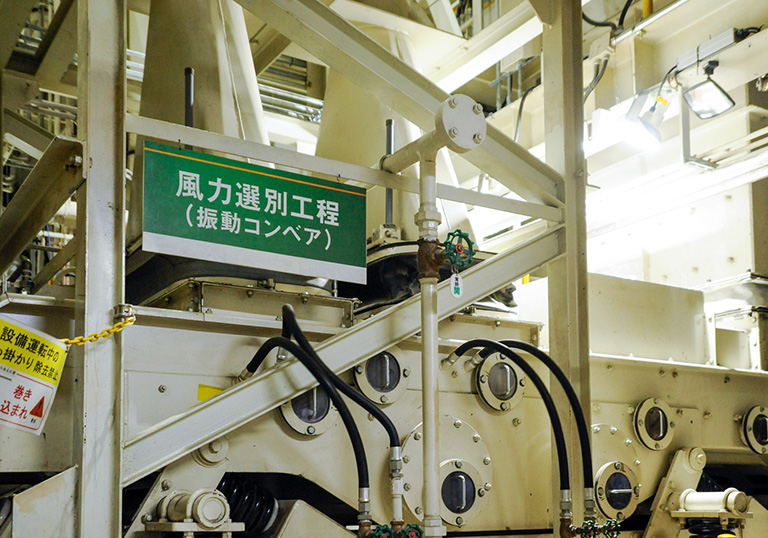
Wind sorter
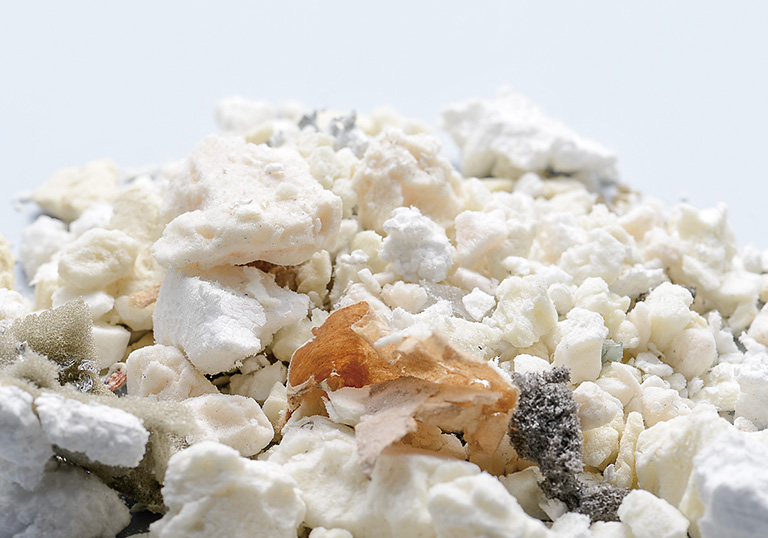
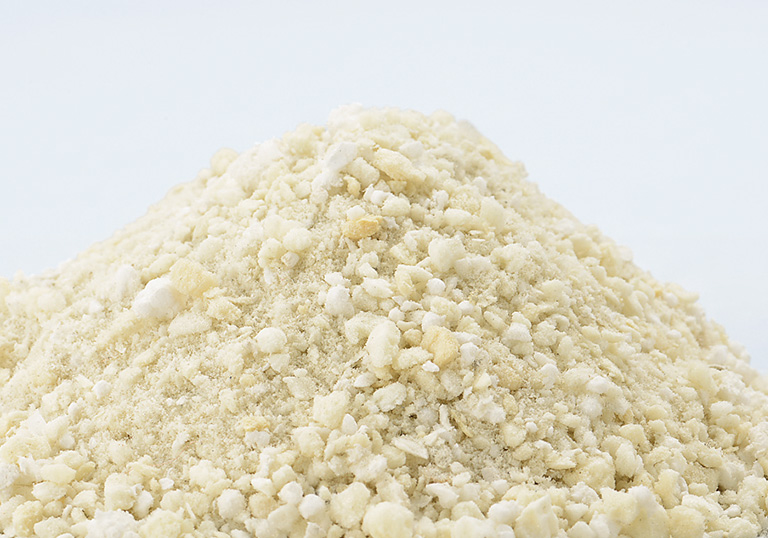
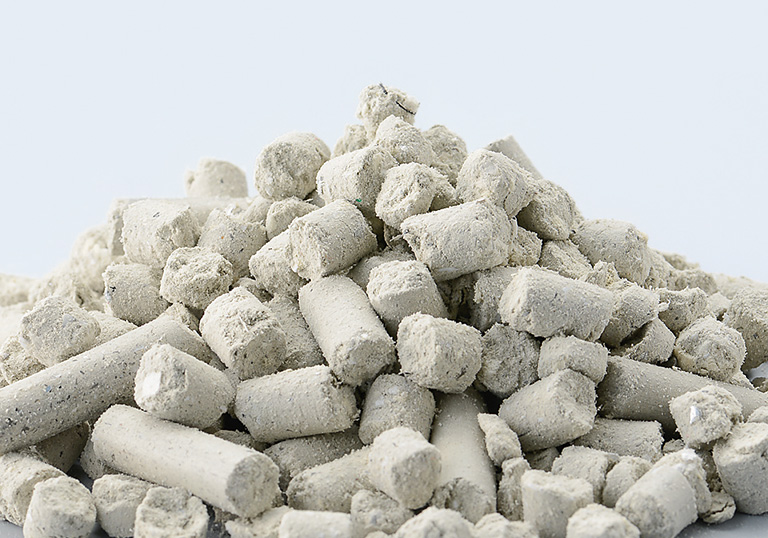
Foamed polyurethane, which serves as refrigerator insulation, turns into a very lightweight plastic when crushed.
Separation is achieved by using a wind of precisely calibrated strength—strong enough to blow away lightweight plastic, but not other materials.
After collection, the material is ground into a powder and then pelletized to produce solid fuel (RPF).
-
Wind sorter
-
Mechanism of Wind sorting
Magnet sorter
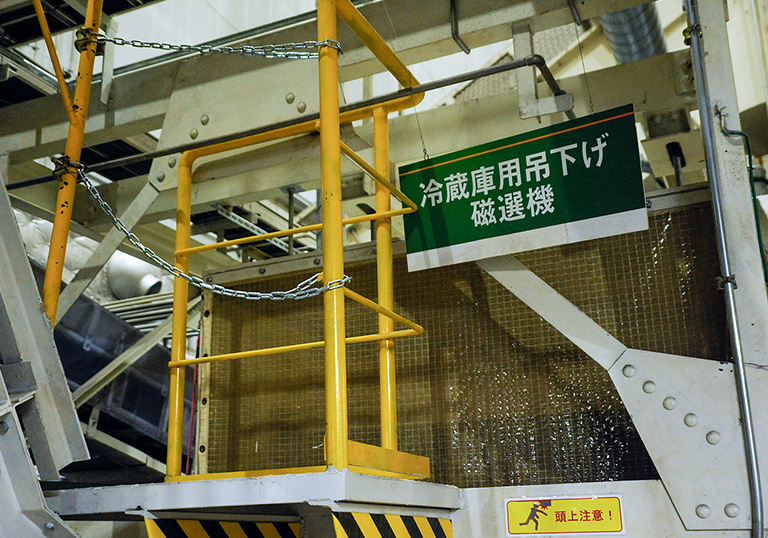
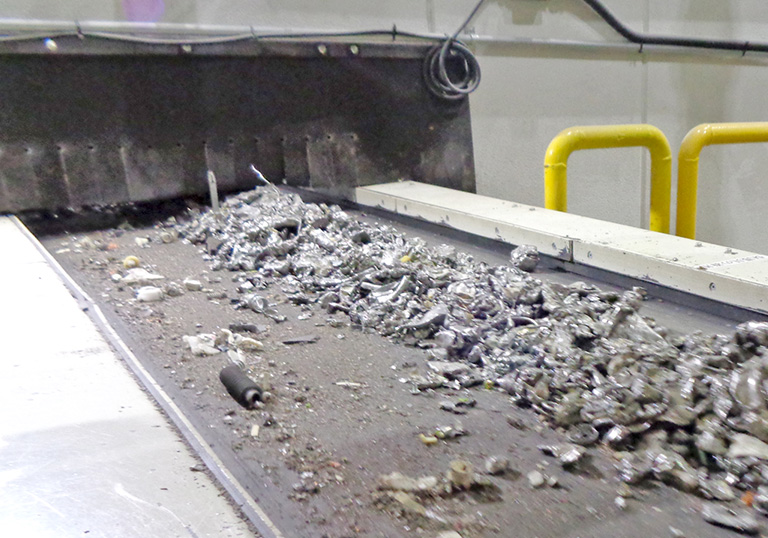
Magnets are used to recover iron. A magnet suspended above the conveyor attracts and collects the iron.
-
Magnet sorter
-
Mechanism of Magnet sorting
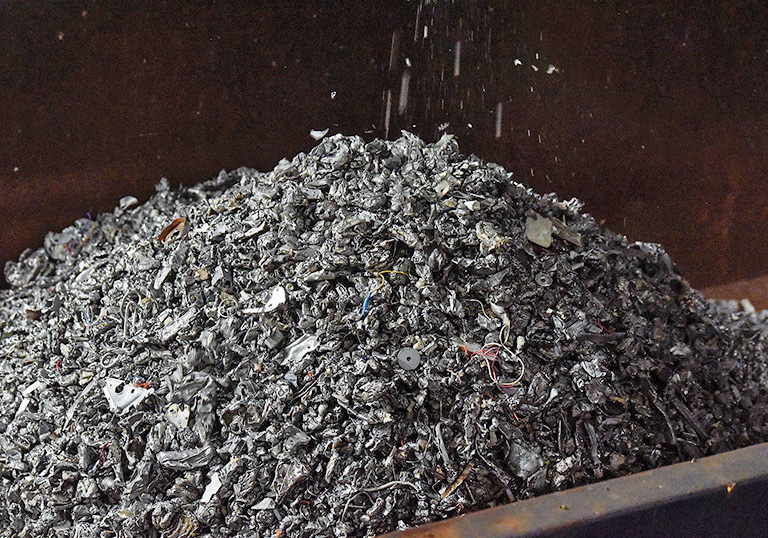
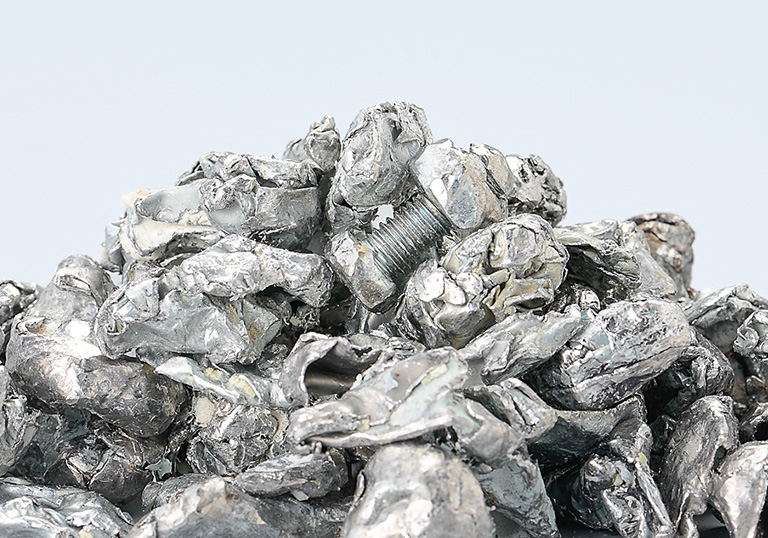
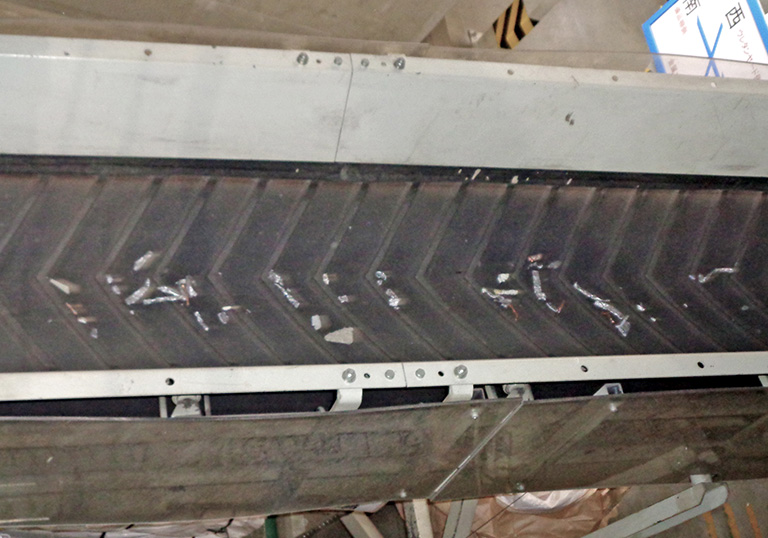
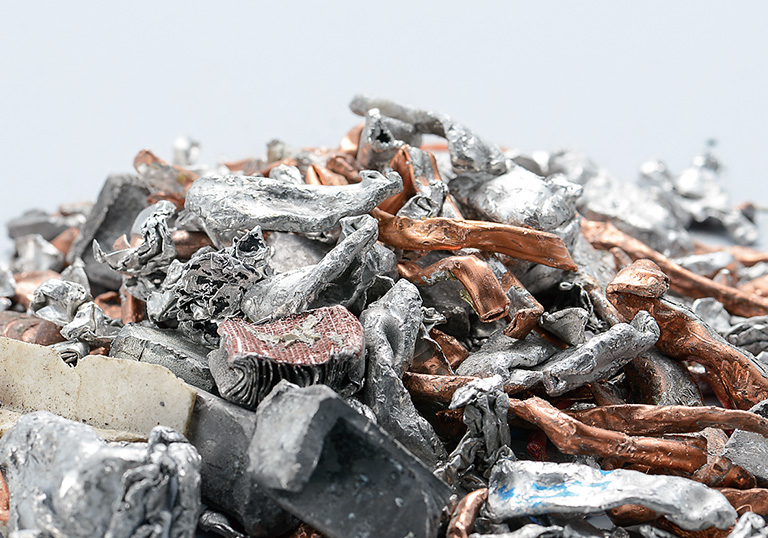
Eddy Current sorter
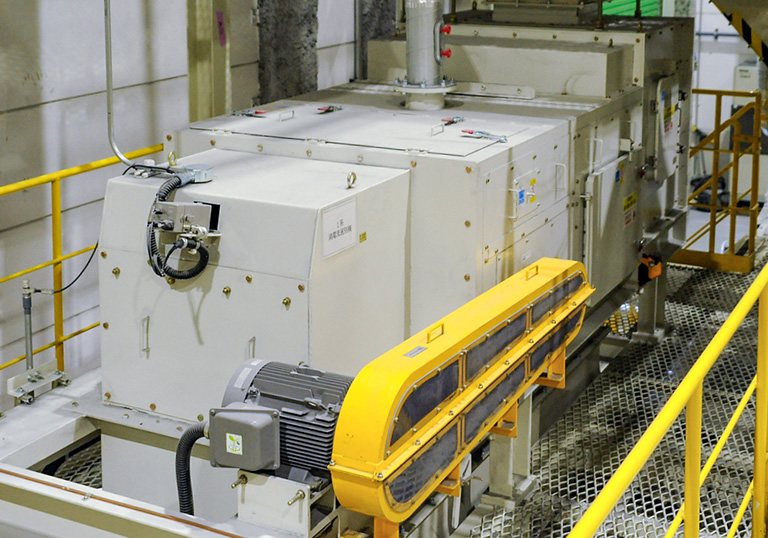
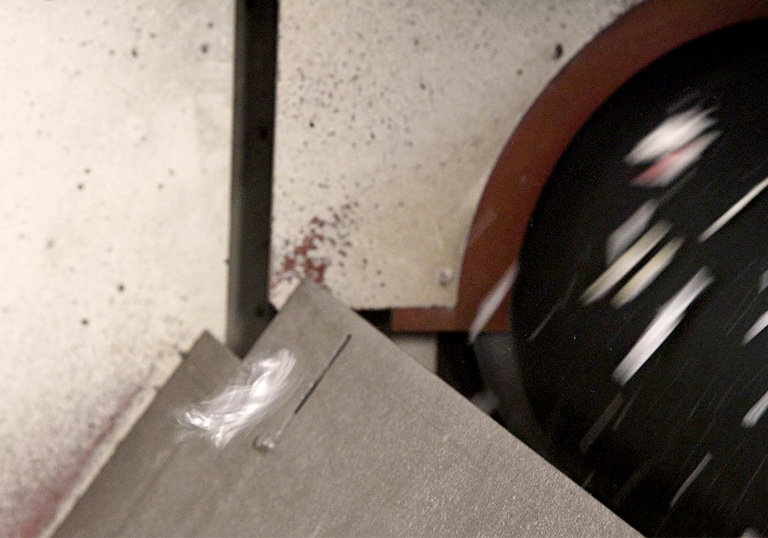
Non-ferrous metals, such as copper and aluminum, are recovered by using eddy currents to repel them.
-
Eddy Current sorter
-
Mechanism of Eddy Current sorting
Sink/float sorter
The remaining plastic is sorted by utilizing the difference in specific gravity relative to water.
By soaking them in water and placing them in a tank, they are sorted into floating one in water and sinking one in water.
-
Sink/float sorter
-
Mechanism of Sink/float sorting